Šćepanica Church
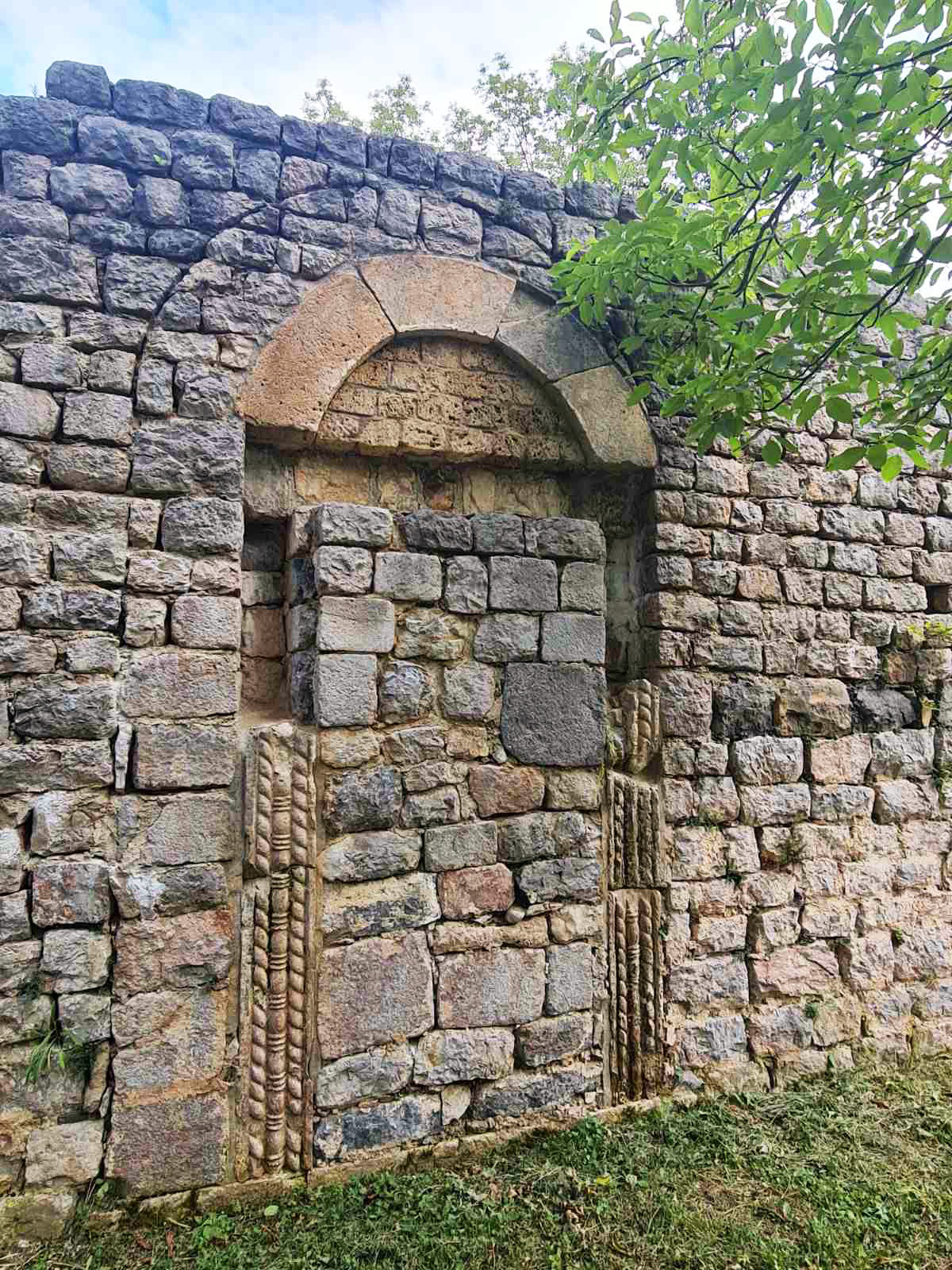
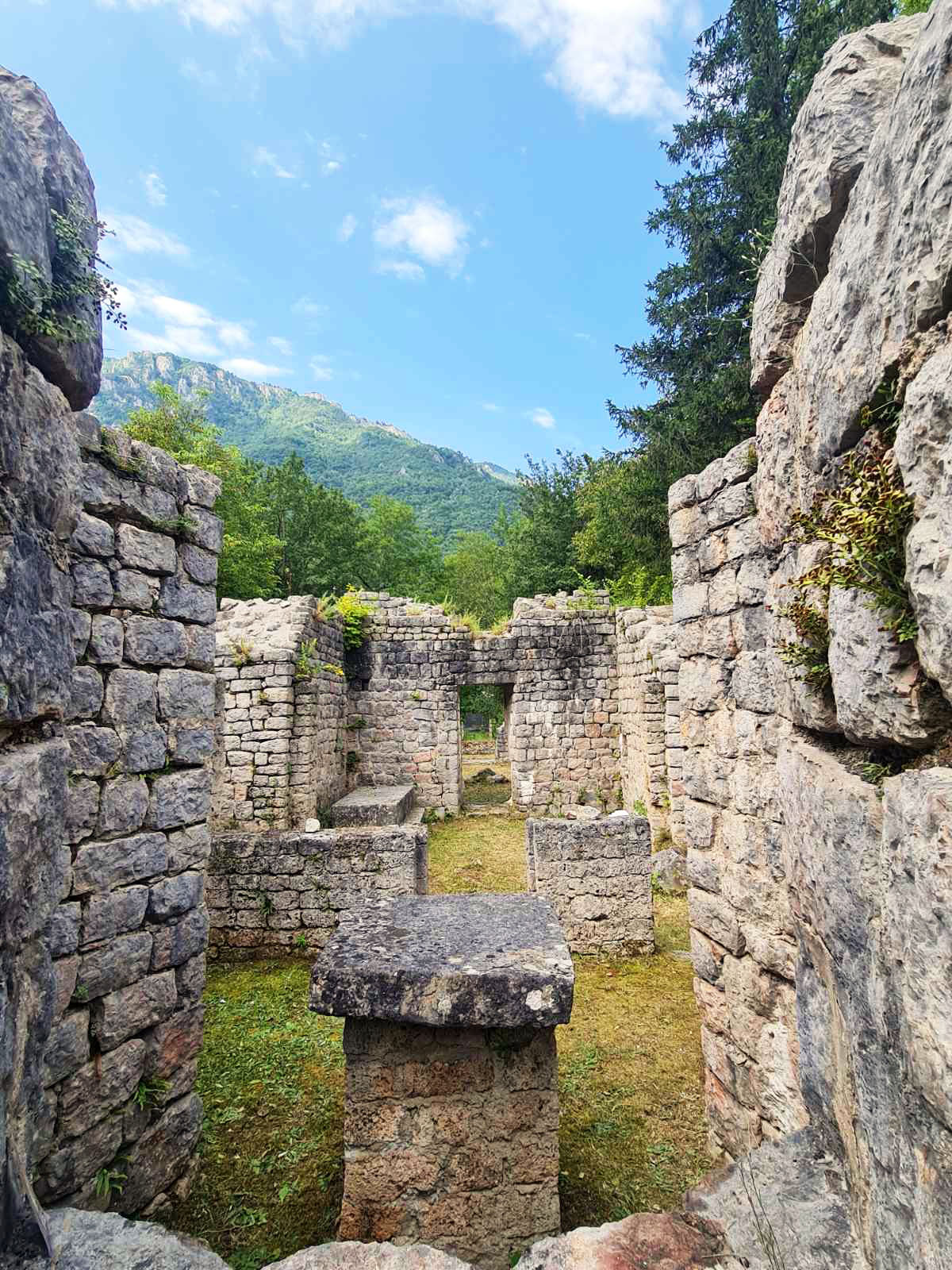
In the settlement of Šćepan Polje, there is a large historic church site known as Šćepanica. It is associated with the Church of Saint Stefan, the endowment and burial church of the great Duke Sandalj Hranić, uncle of Herceg Stjepan, whom he succeeded. This was the largest church built in the areas ruled by the powerful Kosača noble family during the 15th century.
Although parts of the walls and the church vault still survive today, the church itself was destroyed. Its original appearance could still be reconstructed in detail at the end of the last century. The church was built of stone and located in a beautiful setting with a mild climate and wooded surroundings. Nearby are the remains of stairs, and the church had a water supply.
Externally, the church was faced with dressed stone and featured a dome. The altar was separated by a stone wall containing a series of recesses for icons. The altar area was about one meter higher than the rest of the church. The church’s vaults were pointed rather than rounded, and the interior contained multiple architectural decorations. To the left of the altar was a sarcophagus-shaped tombstone, slightly raised above the floor level.
Stećci
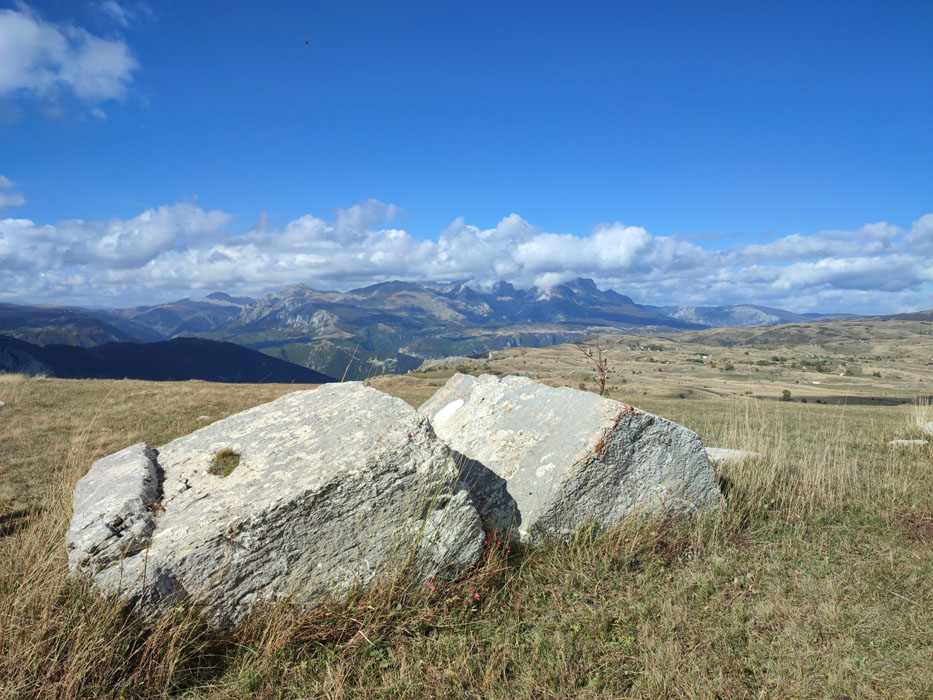
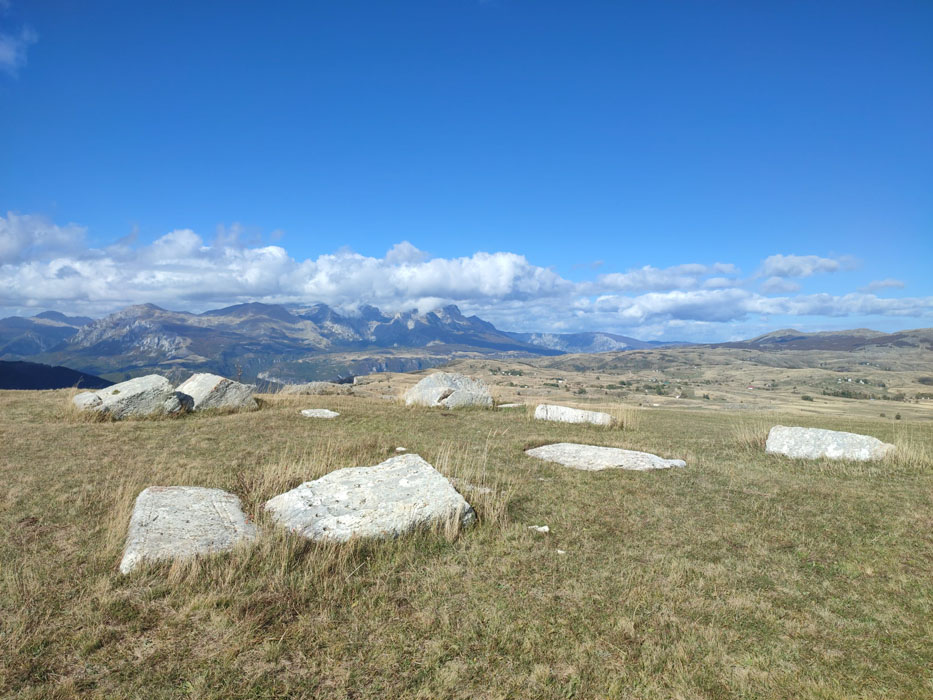
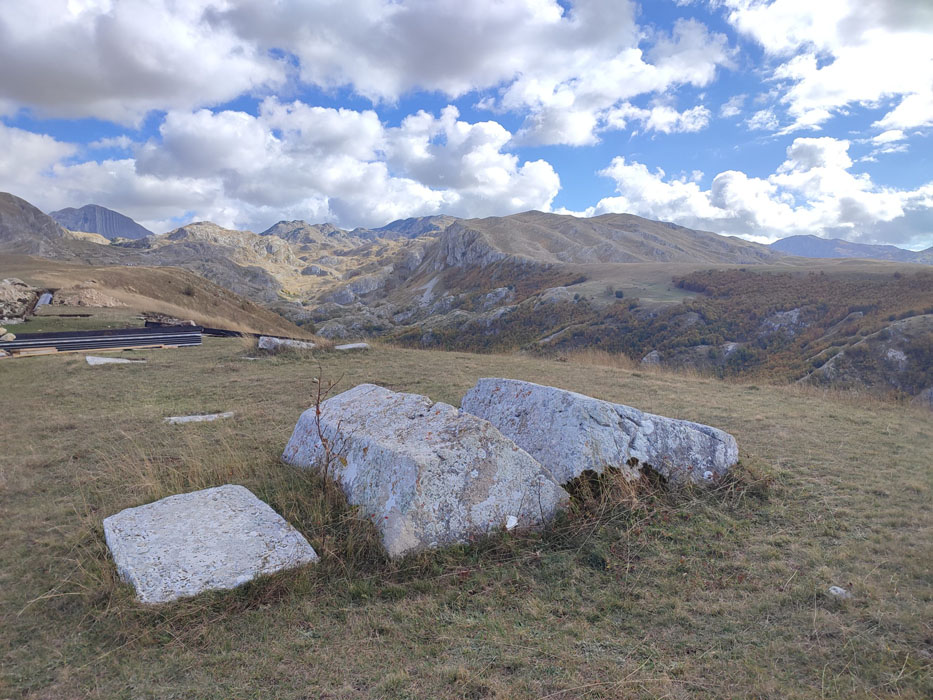
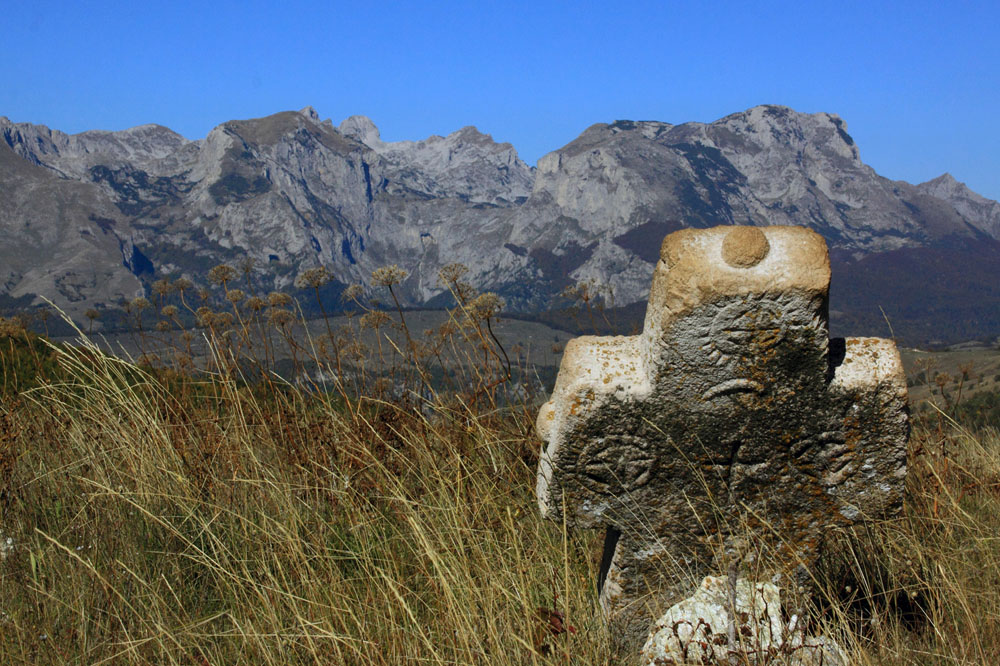
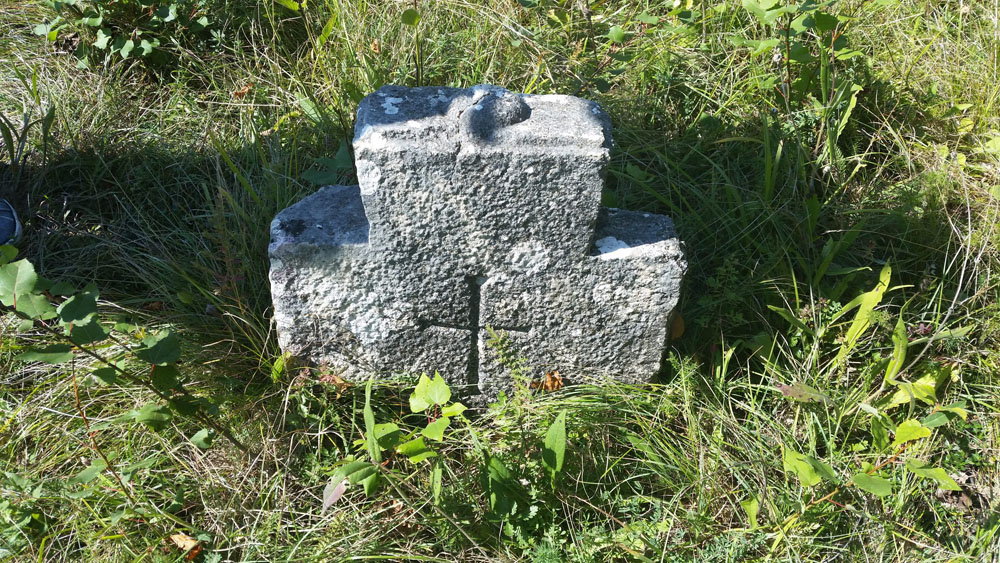
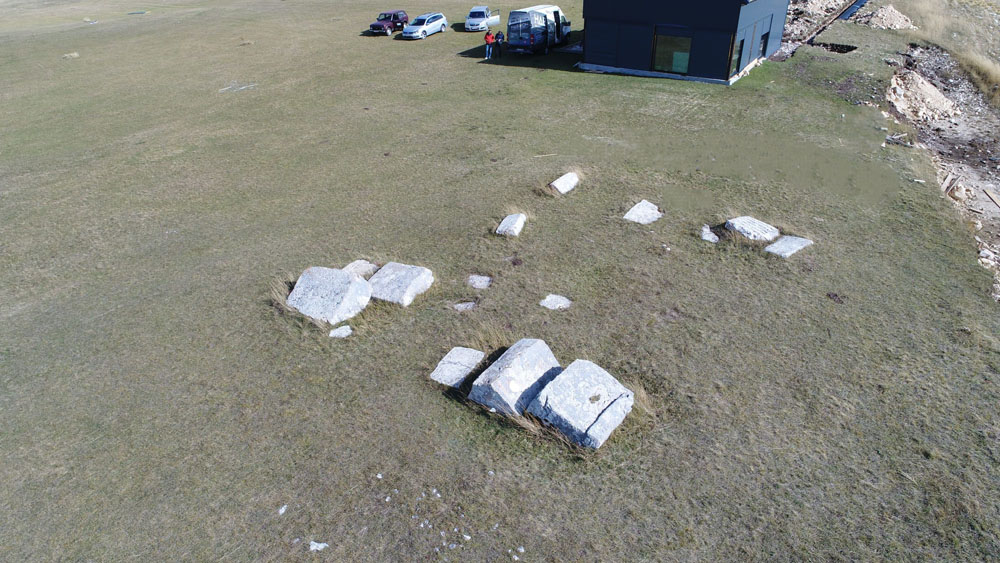
The Stećci (medieval tombstones of Piva) are scattered across the meadows and mountains of the Piva region, serving as a reminder of a long-forgotten part of human creativity. This very aspect makes them even more intriguing, and the search for them is a rewarding challenge.
The most comprehensive survey of Stećci in the Piva region was carried out in the late 1960s and early 1970s by Bosnian researcher Šefik Bešlagić. At that time, 35 sites were documented, containing a total of 787 stećci.
Recently, Stećci were added to the UNESCO World Heritage List, including 28 sites dating from the 12th to the 16th century.