
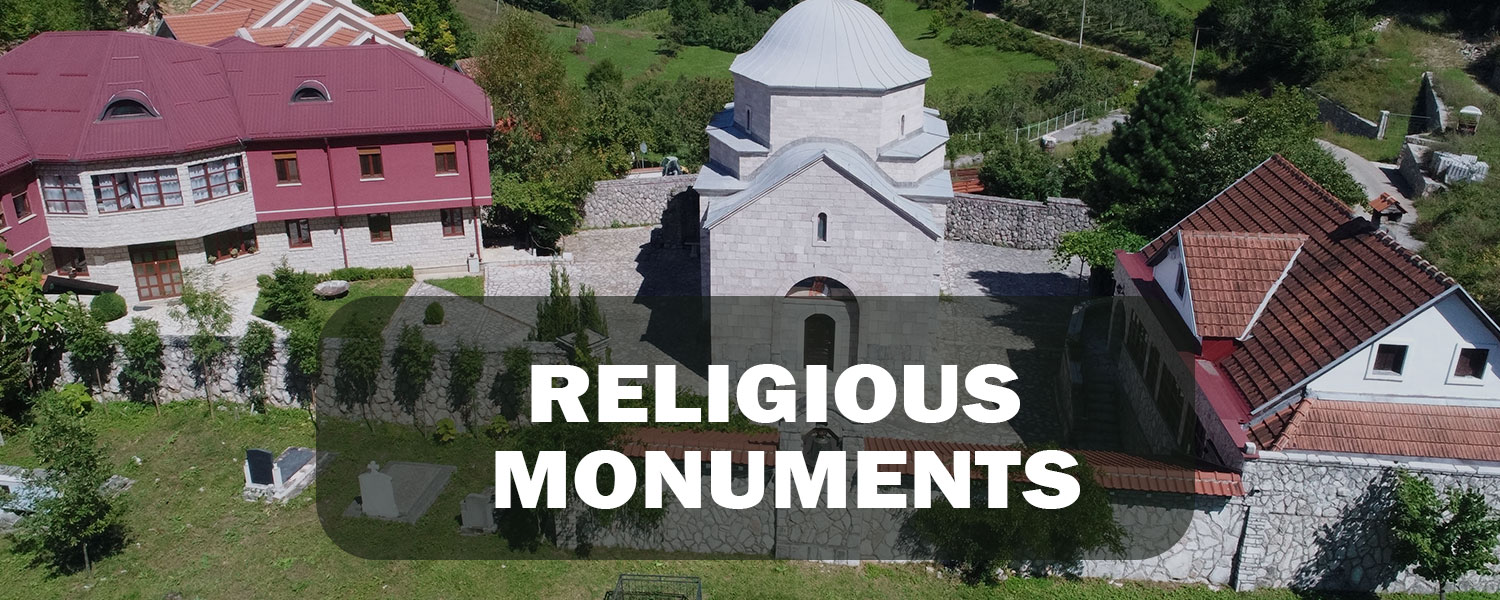
Christian churches are monuments of the past, but also guardians of the tradition and history of this region. The monasteries and churches in the „Piva“ Nature Park witness to the rich spiritual and cultural tradition of this region, they are a meeting place and a place where customs are preserved. Visitors can enjoy the beauty of historical architecture and untouched nature.
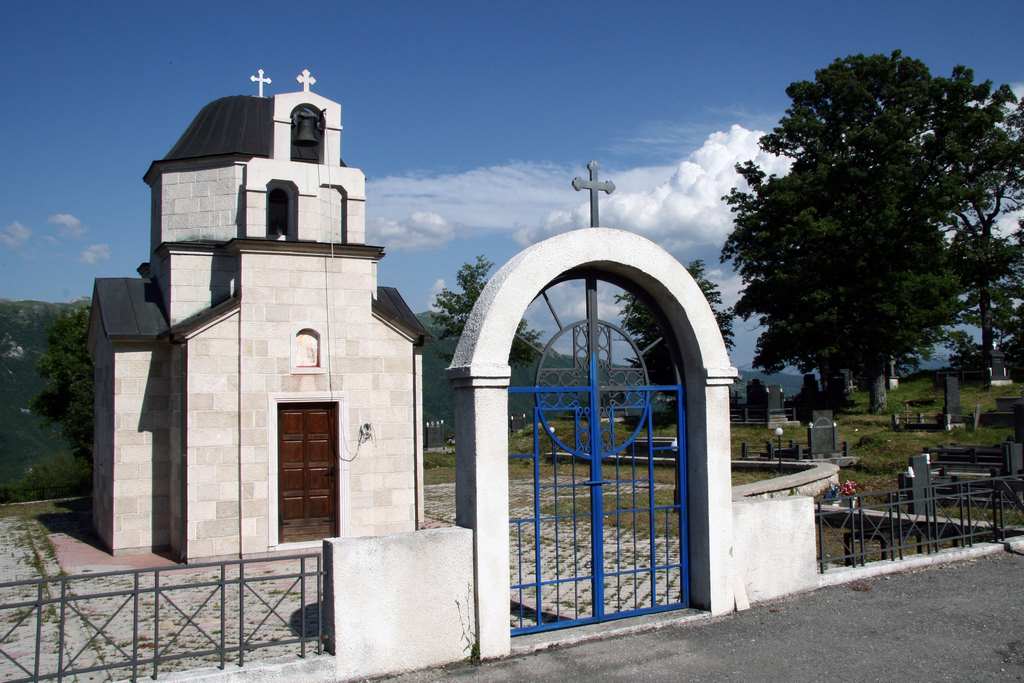
The Church of Saint John the Baptist – Seljane
The church in the village of Seljane is dedicated to Saint John the Baptist, who is also the patron saint of most of the village’s brotherhoods (Blečići, Vukosavljevići, Sekulovići). All the brotherhoods of the village contributed to the construction: Blečići, Sekulovići, Vukosavljevići, Živkovići, Lučići, and Tufegdžići. The decision to build the church was made on September 11, 1999.
Its foundations were blessed in 1999 by Bishop Joanikije of Budimlje, and the frescoes were painted by Miloš Janićijević-Raški. The church was consecrated on July 14, 2001, by His Eminence Metropolitan Amfilohije of Montenegro and the Littoral and Bishop Joanikije of Budimljansko-Nikšići.
Crkvičko Polje: Saints Peter and Paul Church
Built in 1881 and consecrated on Petrovdan (St. Peter’s Day) 1882, the church was constructed in a coastal architectural style. Over the years, it suffered damage during the First and Second World Wars, as well as the 1979 earthquake that struck Montenegro. The church was fully restored in 1993 and reconsecrated in 1994, regaining its original appearance.
Church of St. Sava – village Orah
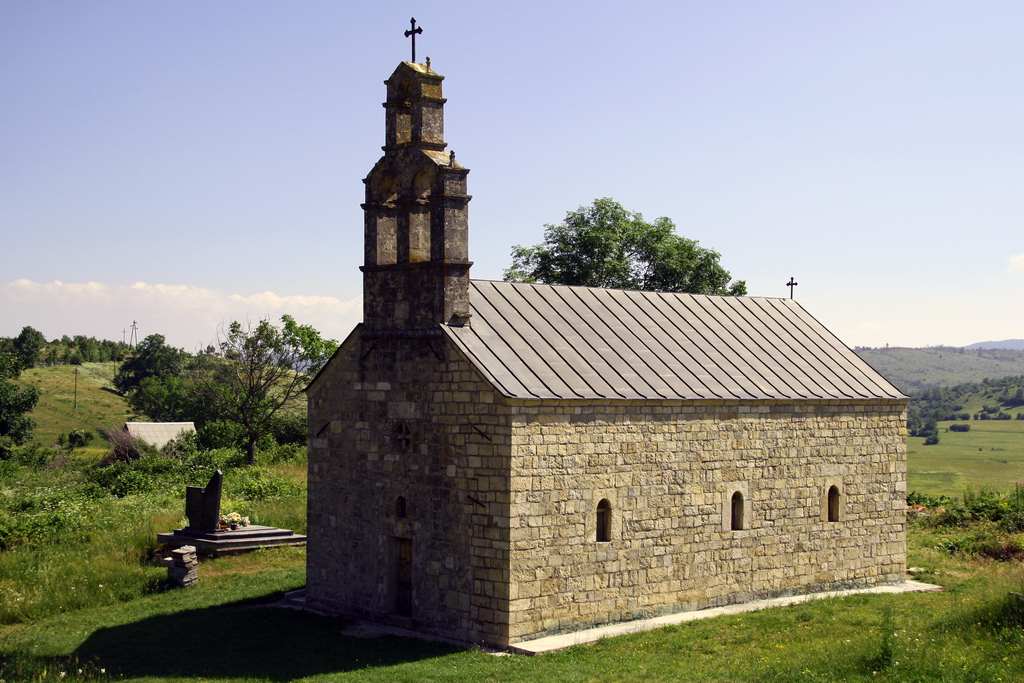
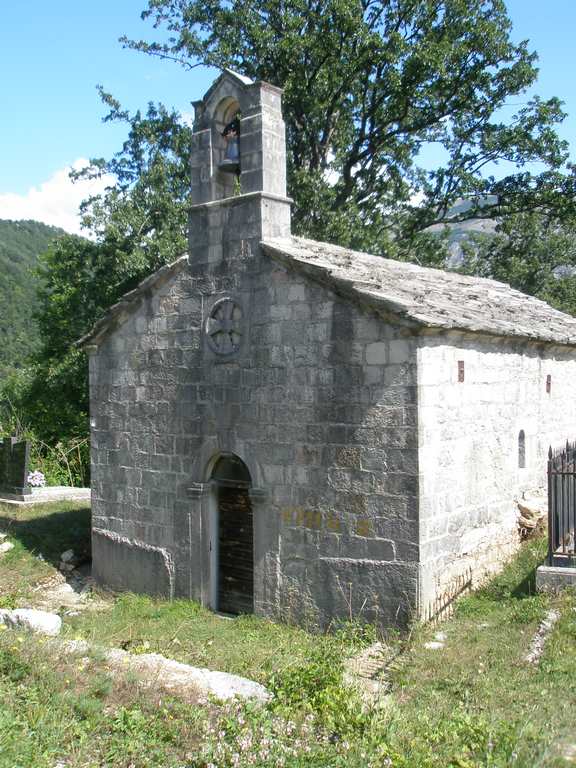
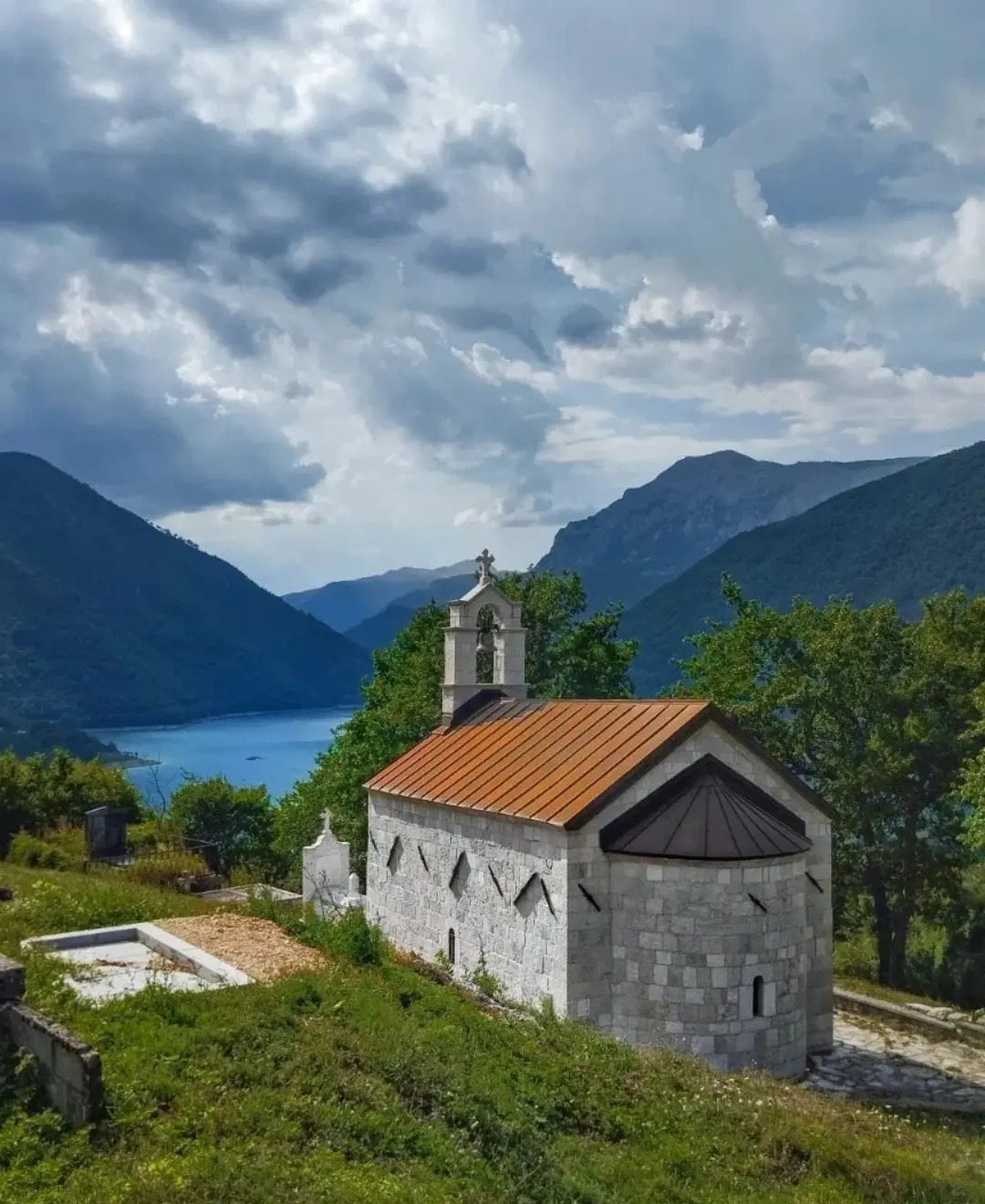
This is one of the oldest churches in the Piva region. It is believed to have been built 200 years before the construction of the Piva Monastery. The church was constructed in the Raška architectural style. According to tradition, clothing and a bell from this church were used during the consecration of the Piva Monastery.
Church of Saint Sava in Orah is one of the oldest churches in the Piva region, built in the Raška architectural style.
Church of Saint John – Plužine
Built in 1902 during the time of the famous Piva Duke, Lazar Sočica, the church stands with monuments to the Duke and his son located just in front and on the western side of the building.
Piva Monastery
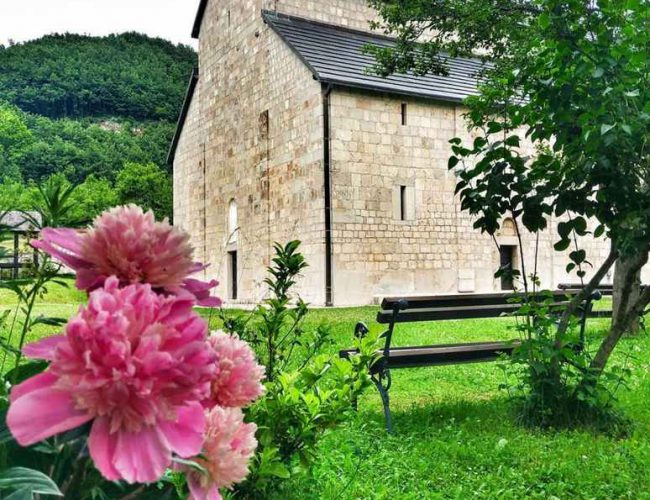
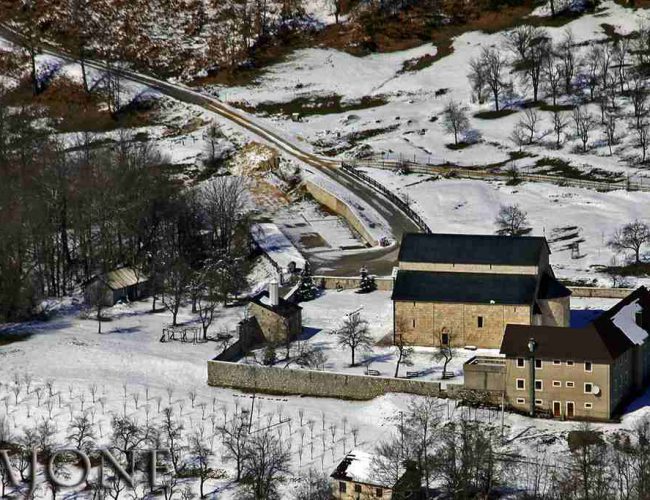
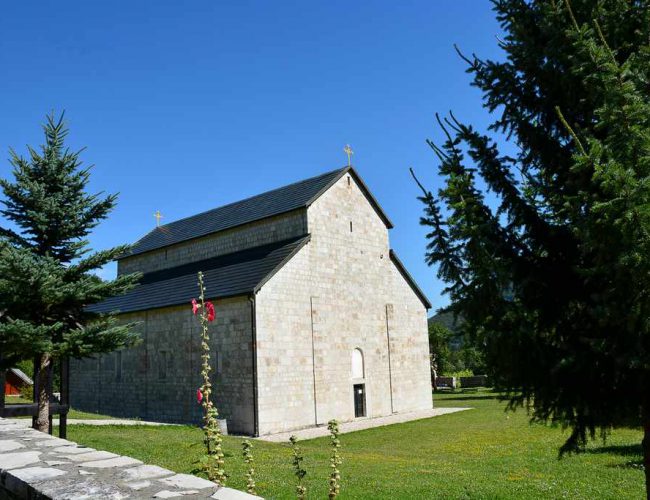
The Piva Monastery was originally located at the source of the Piva River, but it was relocated to Sinjac due to the river’s flooding and the construction of a hydroelectric power plant. This remarkable engineering feat involved moving the entire monastery along with its original frescoes. The undertaking was extremely complex, given that the monumental church interior is covered with 1,260 square meters of priceless frescoes. The Church of the Assumption of the Virgin was built thanks to the efforts of Metropolitan Savatije Sokolović between 1573 and 1586, on the site of an older church. The monastery soon became one of the most important centers of spiritual art and manuscript copying in the region.
The interior features carved woodwork and a gilded iconostasis dating from 1638, notable for its proportional design, lavish carvings, and exquisitely painted icons of Longin and Kir Kozma. The church also houses decorative furniture, including the Bogorodično Kolo (Holy Mother’s circuit), the episcopal table, and doors made of ivory.
The monastery’s treasury is one of the richest in Montenegro, containing precious collections of ancient manuscripts and some of the first printed books in the Balkans, including the only surviving Psalter from the Obod printing press.
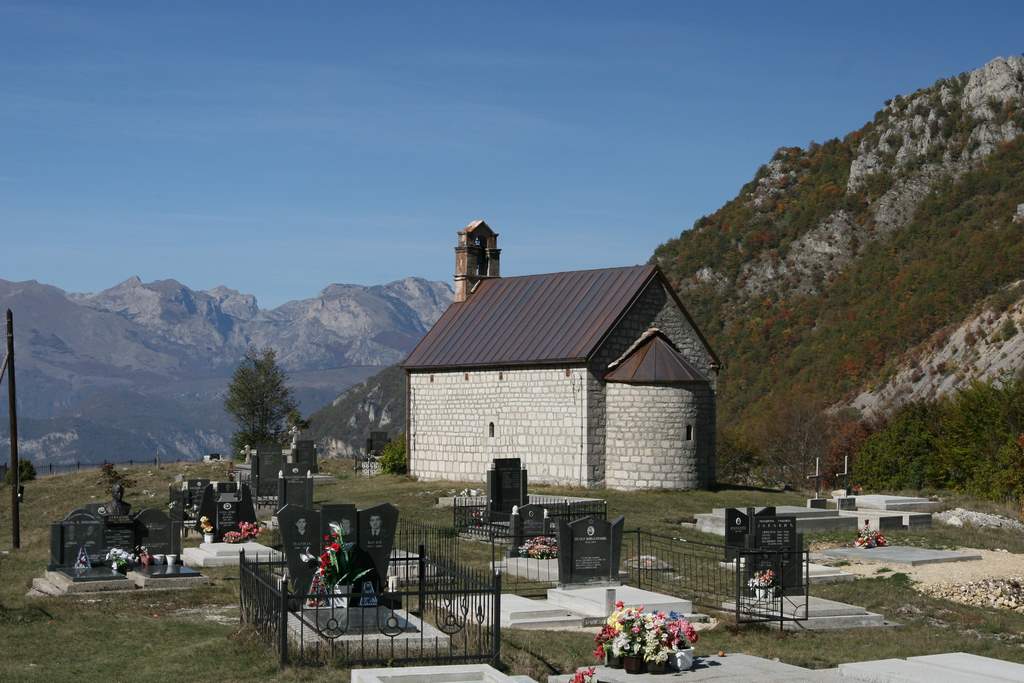
Church of Saint John – Boričje
Built in 1884, the church fell into ruin after the Second World War, particularly following the 1979 earthquake, and was later restored.
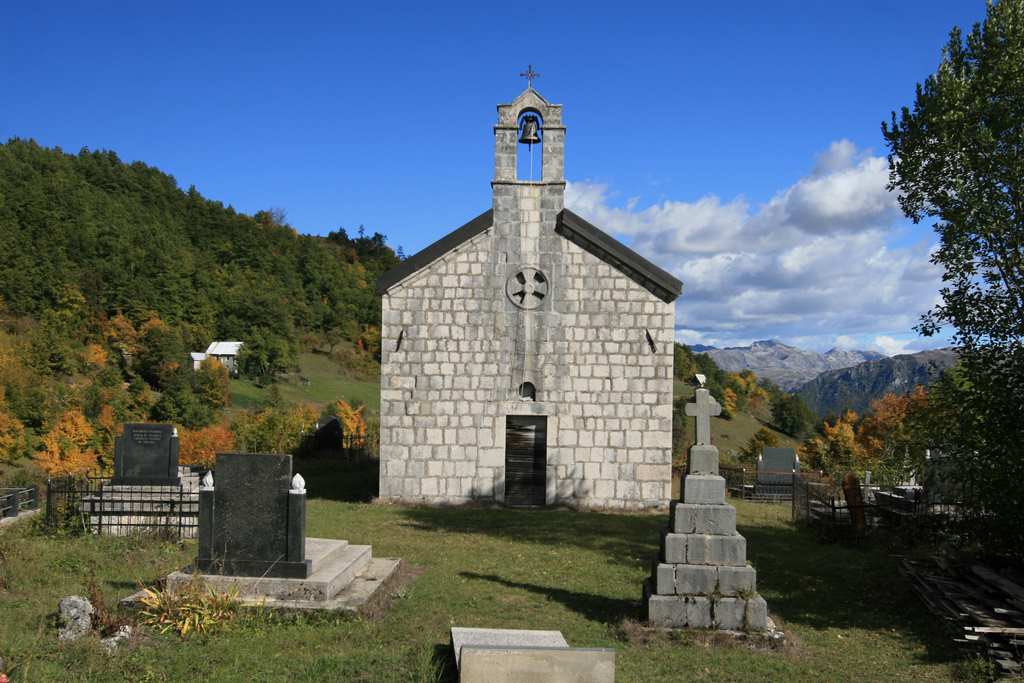
Church of Saint John – Smriječna
The church was built by the villagers in 1907. It has been renovated twice: first after the Second World War in 1945–1946, and later in 1985–1986.
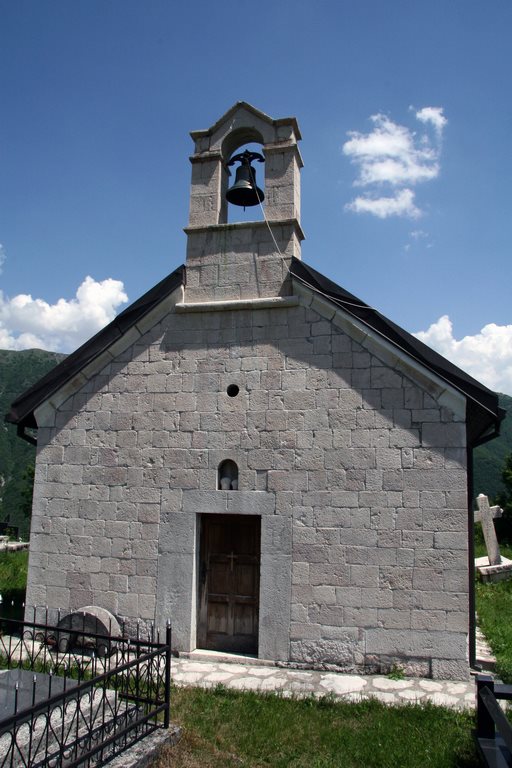
Cathedral of Saint Nicholas – Rudinice
Built in the Raška architectural style in 1904, the church underwent essential repairs carried out by the villagers in 1960.
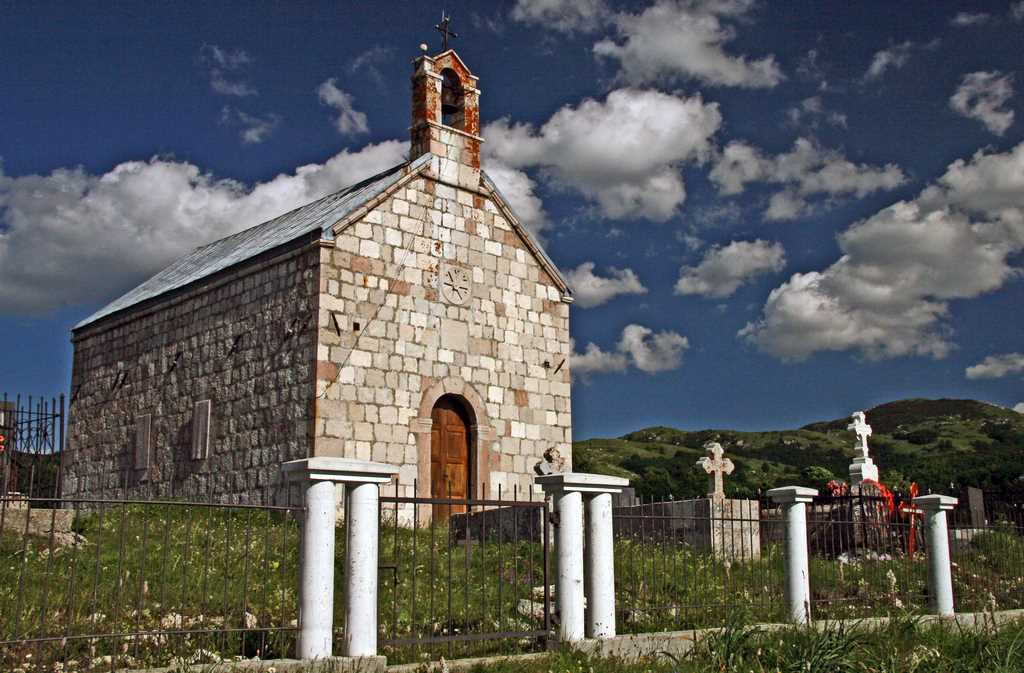
THE CHURCH OF SAINT GEORGE IN THE VILLAGE OF TRSA
It was built in 1899. Its restoration was finished in 1967.
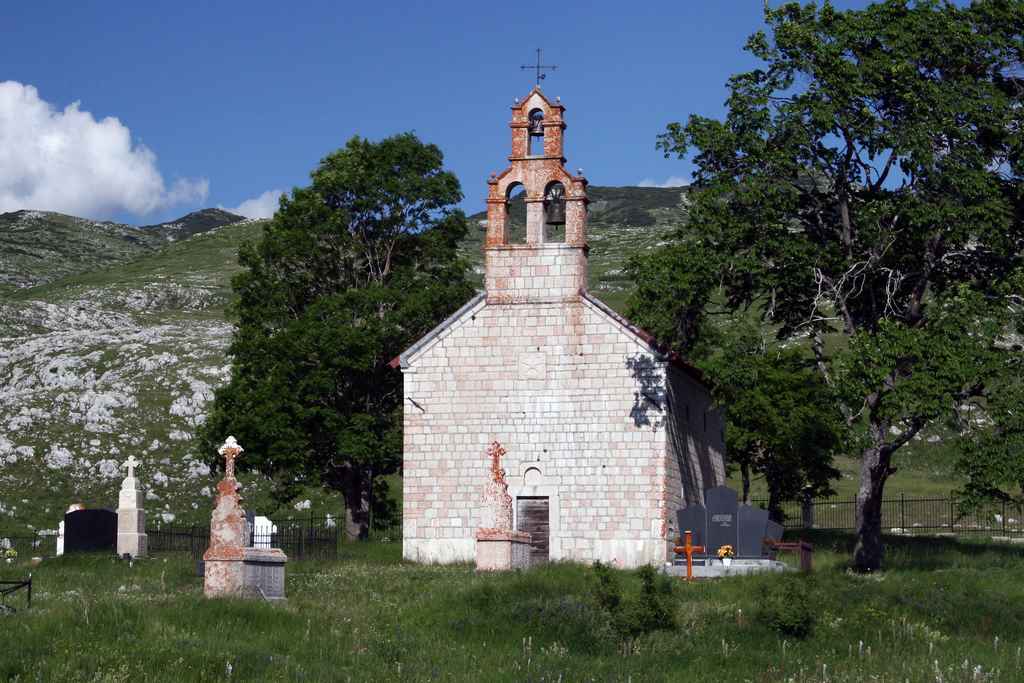
CATHEDRAL CHURCH OF SAINT JOHN ON PIŠČU
Built in 1884. godine. Its restoration was finished in 1982.
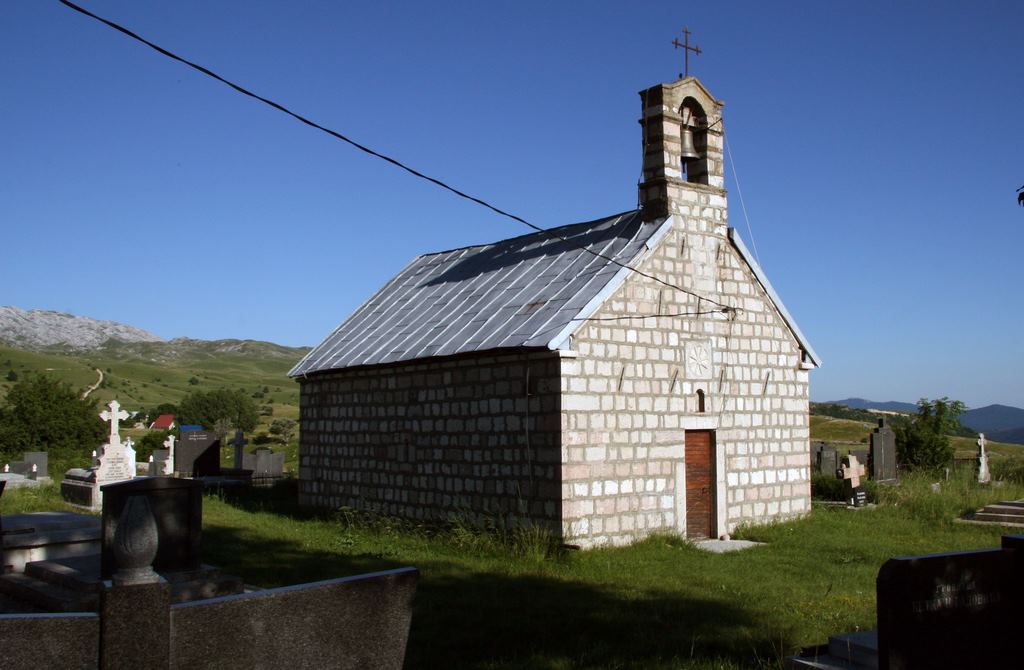
CHURCH OF SAINT JOHN IN BORKOVIĆI
It was built after the Herzegovinian Uprising (1875–1878). In 1960, the villagers replaced the church’s wooden structure with a metal roof, and a major restoration was carried out in 1982.
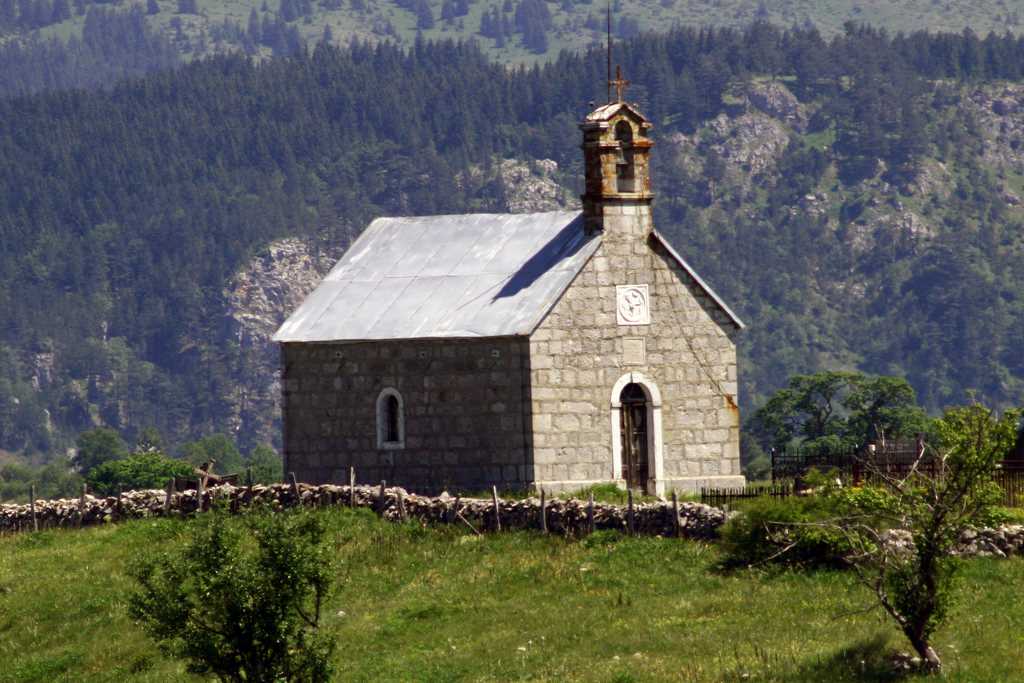
CHURCH OF SAINT JOHN IN NINKOVIĆI
Built in 1911, as evidenced by the inscription above the church entrance. The church was restored in 1962.
Church of St John the Baptist in Zagrđe
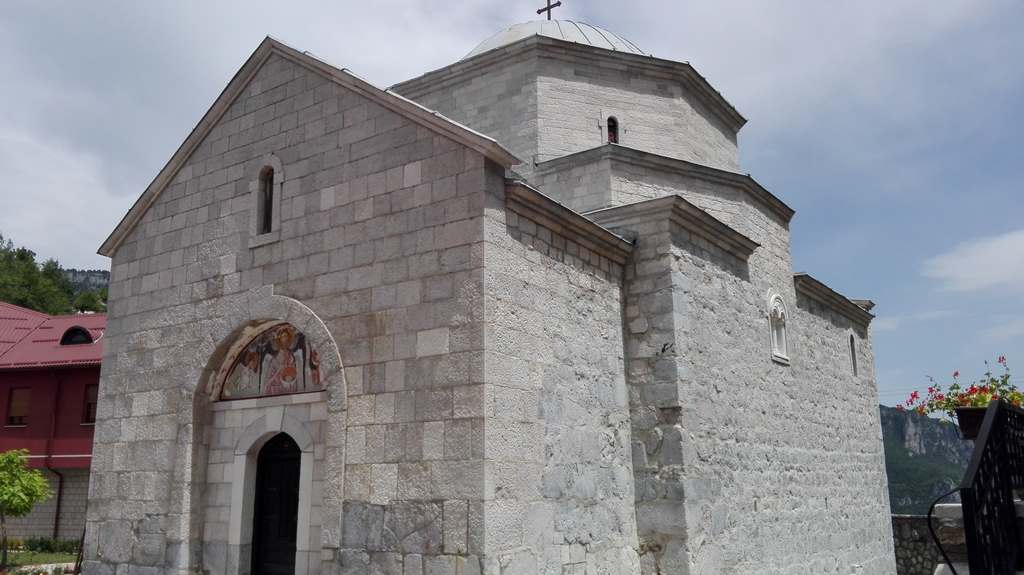
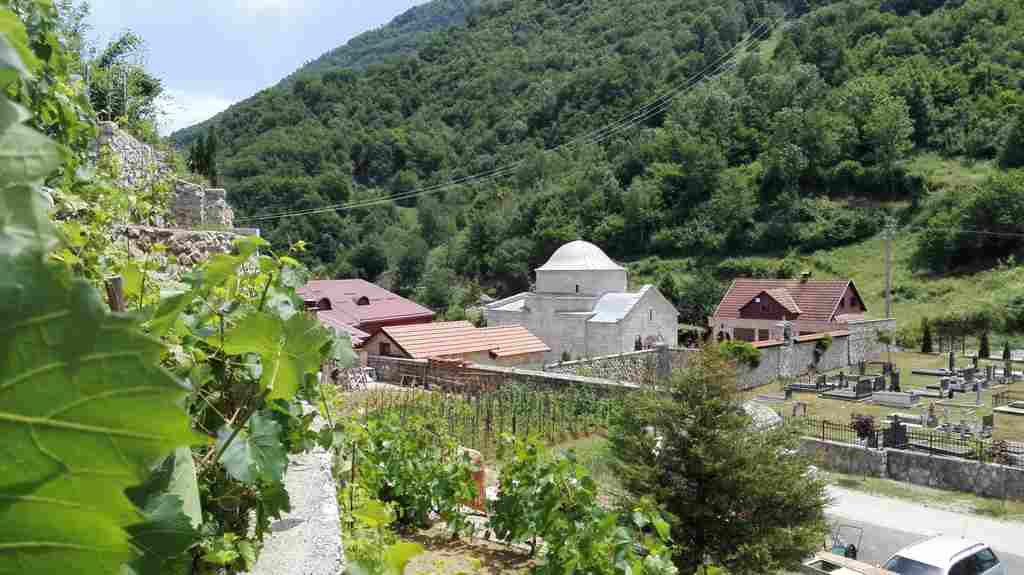
The Zagrađe Monastery, founded by Herceg Stefan Vukčić Kosača, was built in the first half of the 15th century at the confluence of the Piva and Tara Rivers, in the heart of the ancient Serbian region of Hum. The monastery church is dedicated to the Nativity of Saint John the Baptist. It is located approximately halfway between the medieval fortified town of Sokol and Šćepan Polje, a place historically known as Međurječje, first mentioned in Byzantine chronicles in the 10th century. The monastery’s founder, Herceg Stefan (1404–1466), was the grandson of the famous Duke Vlatko Hranić Vuković, who commanded the army of King Tvrtko at the Battle of Kosovo.
Architecturally, the church reflects inspiration from the Raška school, representing a successful blend of Eastern and Western church architecture. This combination is harmoniously adapted to serve the functions of Orthodox Christian worship. Notably, the church’s structural solutions allowed it to remain standing under its dome for nearly 600 years, even though the original lead covering was removed by the Ottomans to roof the newly built Aladža Mosque in Foča.
A significant restoration of the monastery began in 1998 with the blessing of Metropolitan Amfilohije of Montenegro and the Littoral. Early contributions came from Iguman Lazar of Ostrog and local companies, including Fabrika Elektroda and HE Piva. Restoration intensified after Iguman Lazar’s arrival in 2001, extending to the entire monastic complex, despite the challenging, confined space dictated by historical circumstances. Significant support also came from Plužine Municipality and numerous individuals from Montenegro, Republika Srpska, Serbia, and Canada.
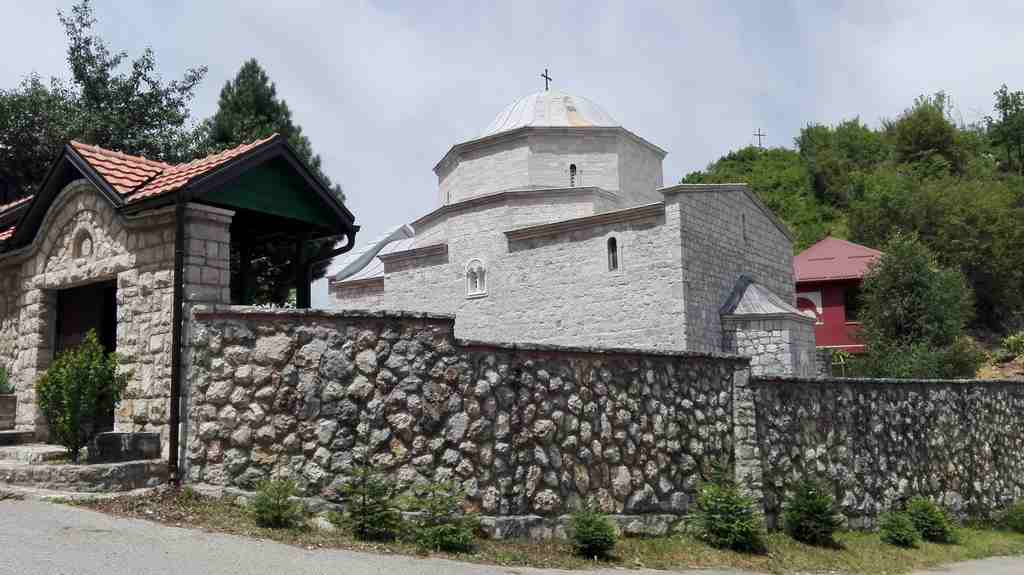
CHURCH OF SAINT JOHN IN NEDAJNO
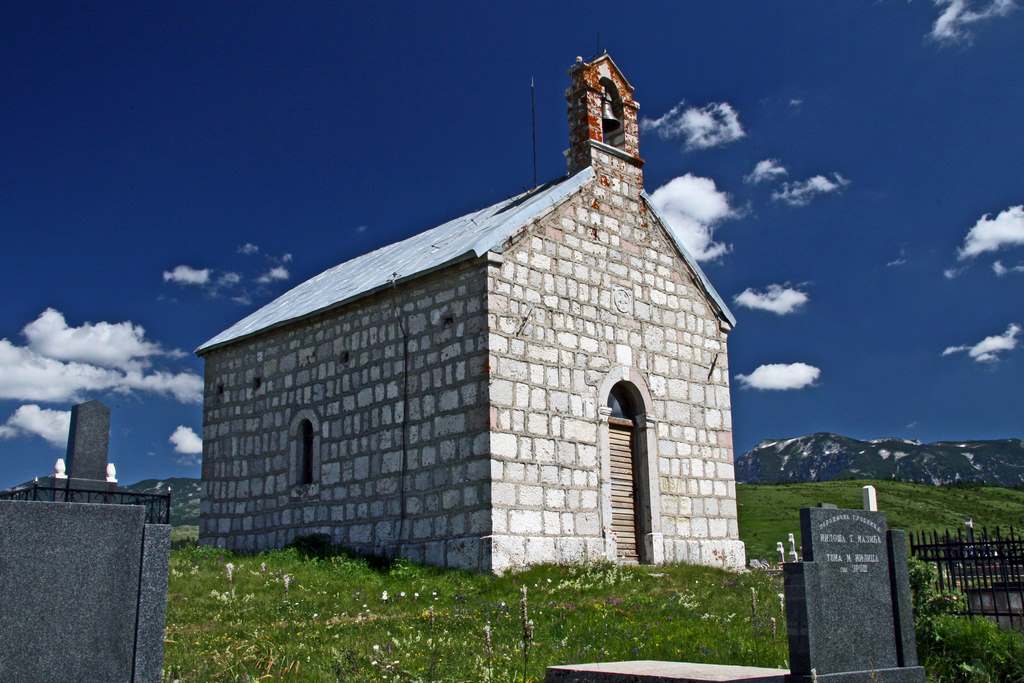
Built in 1928. In 1989, the inhabitants of the village renovated the church, completing the necessary work on both the inner and outer walls.